
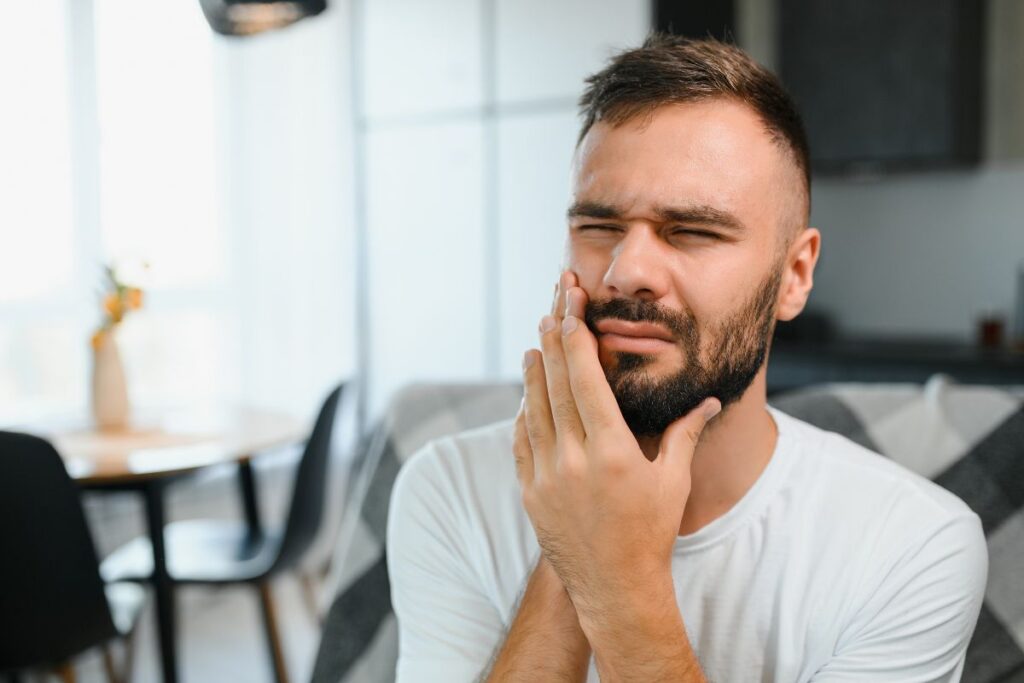
Tooth pain when biting can feel sudden and confusing, especially when everything seemed fine before. In most cases, this type of discomfort is your body’s way of signaling that something deeper may be going on beneath the surface. Paying attention early and maintaining consistent dental care can make a big difference in preventing more serious problems.
Common Reasons a Tooth Hurts When Biting Down
There are several possible causes behind this type of pain, and many of them are more common than people realize.
One of the most frequent reasons is tooth decay. When a cavity reaches deeper layers of the tooth, pressure from chewing can trigger pain. Even a small cavity can become noticeable when you bite down.
A cracked or chipped tooth is another common cause. The crack may be too small to see, but when pressure is applied while chewing, the tooth can flex slightly and irritate the inner nerve.
In some cases, the pain may come from a tooth infection. When bacteria reach the inner pulp of the tooth, inflammation builds up, and chewing can worsen the discomfort.
Gum problems can also play a role. Inflamed or receding gums may expose sensitive areas around the tooth roots, making biting uncomfortable.
Sometimes, recent dental work or temporary sensitivity after a filling or crown can also cause mild pain when chewing.
How Does Tooth Structure Affect the Pain?
Each tooth has multiple layers. The outer layer is hard and protective, but the inner layer contains nerves and soft tissue. When that inner area becomes irritated or exposed, biting pressure can quickly send pain signals.
This is why some people feel sharp pain only when chewing, even if the tooth looks normal on the outside.
Warning Signs You Should Not Ignore
Tooth pain that happens only when biting may still be a sign of something that needs attention. Look out for:
- Sharp or stabbing pain while chewing
- Sensitivity that lingers after eating
- Swollen or tender gums near the tooth
- Pain that slowly gets worse over time
If these symptoms continue, it usually means the underlying issue is not healing on its own.
What Can You Do at Home for Temporary Relief?
While waiting to see a dental professional, a few simple steps may help ease discomfort:
- Try chewing on the opposite side of your mouth
- Stick to soft foods that don’t require heavy biting
- Rinse gently with warm salt water
- Use over-the-counter pain relief if necessary
These steps can help manage symptoms, but they do not replace proper evaluation.
When It’s Time to See a Dentist
If tooth pain lasts more than a few days or becomes more intense, it’s important to get it checked. Pain when biting is often linked to issues that can worsen if left untreated.
A dental visit can help identify whether the cause is a cavity, crack, infection, or gum-related concern.
Why Early Attention Matters
Catching the problem early can prevent more complex treatments later. For example, a small cavity can often be treated simply, while delayed care may lead to infection or the need for more extensive procedures.
Being aware of changes in your teeth and seeking timely dental care helps protect your long-term oral health.
Tooth pain when biting down is your mouth’s way of signaling that something needs attention. From minor sensitivity to deeper dental concerns, understanding the cause early can help prevent further discomfort.
If you are experiencing ongoing discomfort and need a trusted dentist, Northwest Family Dental Care is here to help you understand the cause and guide you toward the right next step in care. Contact us today to take the next step toward a healthier, pain-free smile.