
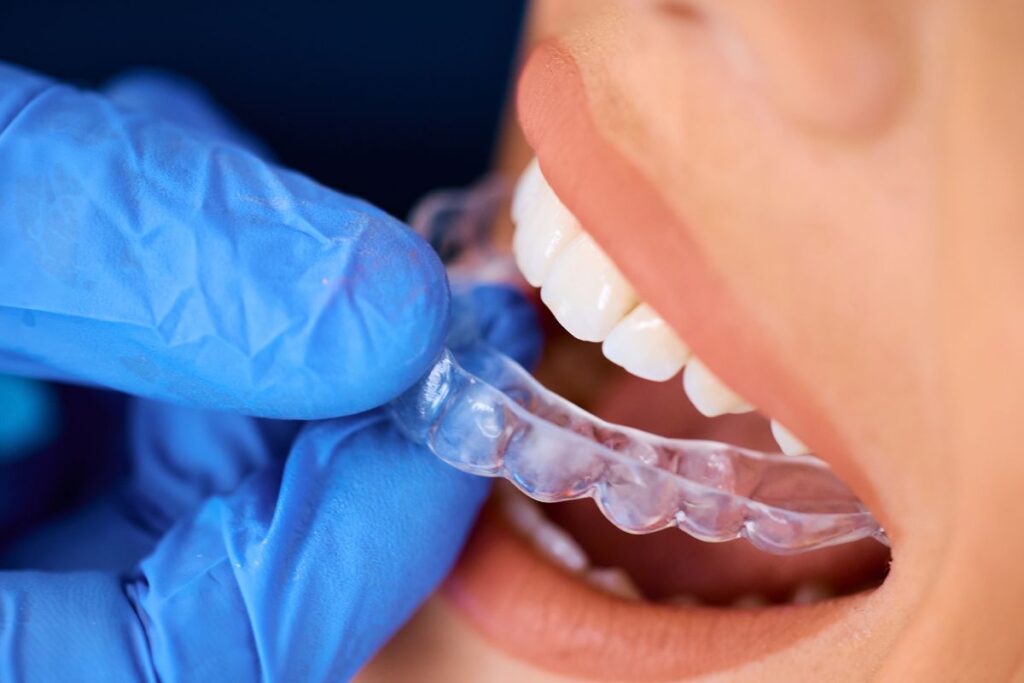
Starting a new orthodontic journey can bring a mix of excitement and questions. One common concern people have when beginning Invisalign treatment is whether it will affect the way they speak. If you’ve noticed a slight lisp or are worried about developing one, you’re not alone.
The good news is that any speech changes are usually temporary and easy to manage. With a few simple adjustments, you can continue speaking clearly and confidently while working toward a straighter smile.
Why Does Invisalign Cause a Lisp?
Invisalign aligners are designed to fit snugly over your teeth. While they are thin and comfortable, they still add a slight layer between your tongue and teeth. Since speech relies heavily on tongue placement, this small change can sometimes lead to a lisp, especially when pronouncing “s” or “z” sounds.
Your mouth simply needs time to adjust to the new shape and feel of the aligners.
How Long Does the Lisp Last?
For most people, the lisp is short-lived. It often improves within a few days to a couple of weeks.
The adjustment period depends on factors like:
- How often do you wear your aligners
- Your natural speech patterns
- How quickly your tongue adapts
The more consistently you wear your aligners, the faster your mouth will get used to them.
Tips to Avoid or Reduce Lisping with Invisalign
1. Practice Speaking Out Loud
Talking more helps your tongue adapt faster. Try having conversations, reading aloud, or even practicing in front of a mirror.
2. Read Daily to Train Your Tongue
Reading books, articles, or even social media posts out loud can help improve pronunciation and clarity. Focus on words that feel tricky at first.
3. Stay Consistent with Wearing Aligners
It might feel tempting to remove your aligners when speaking, but consistency is key. Wearing them as directed helps your mouth adjust more quickly.
4. Speak Slowly and Clearly at First
Slowing down your speech can help you pronounce words more accurately while your tongue gets used to the aligners.
5. Keep Your Mouth Hydrated
A dry mouth can make speech feel more difficult. Drinking water regularly can improve comfort and help your tongue move more naturally.
6. Make Sure Your Aligners Fit Properly
If your aligners don’t fit correctly, they may interfere more with your speech. Always follow your dentist’s instructions and switch trays as recommended.
When to Be Concerned About Speech Changes?
A mild lisp is normal in the beginning. However, if it lasts longer than a few weeks or feels like it’s getting worse, it may be worth checking in with your dentist.
They can ensure your aligners fit properly and that your treatment is progressing as expected.
Contact Us
If you’re unsure whether your aligners are affecting your speech more than expected, don’t hesitate to contact us. We’re here to guide you through every step of your Invisalign journey.
Everyday Confidence with Invisalign
Adjusting to aligners is part of the process, but it doesn’t have to affect your confidence. With regular practice and patience, most people quickly return to their normal speech patterns.
Small, consistent efforts can make a big difference in how comfortable you feel while wearing aligners each day.
Speak Clearly and Smile Confidently
Getting used to aligners takes a little time, but the results are well worth it. With the right habits and support, you can avoid common issues like lisping and stay confident throughout your Invisalign journey. If you’re considering Invisalign or want guidance on making your Invisalign treatment more comfortable and natural for everyday speech, visit our dental office in Covington, WA. Our team at Northwest Family Dental Care is here to help you every step of the way.