
You finally brighten your smile and feel excited about the results—only to notice uneven white spots on your teeth afterward. It can feel confusing and even a little frustrating. The good news? This is a fairly common experience, and in most cases, it’s temporary.
Many people who explore teeth whitening services aren’t aware that whitening can sometimes highlight differences in enamel that weren’t visible before. In this guide, we’ll walk you through why white spots appear, what they mean, and what you can do to keep your smile looking even and healthy.
What Are White Spots on Teeth?
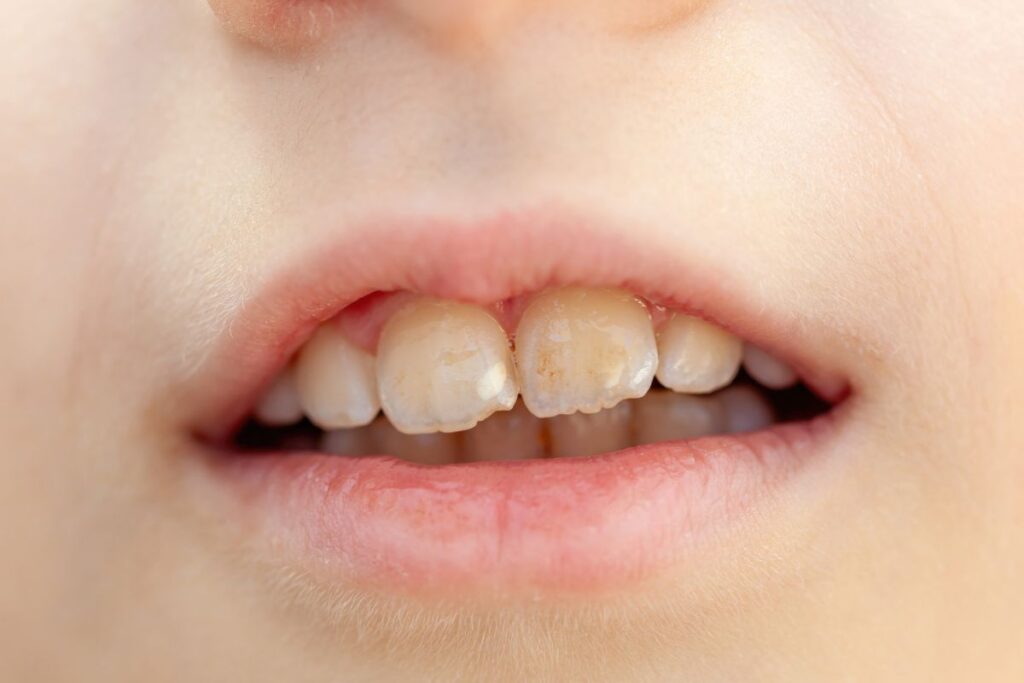
White spots are areas on the tooth surface that appear brighter or more opaque than the surrounding enamel. Unlike the natural shine of a healthy tooth, these spots can look chalky or uneven.
In many cases, these spots were already present before whitening, but the treatment made them more noticeable by lightening the rest of the tooth.
Why Do White Spots Appear After Whitening?
There isn’t just one reason this happens. A few common factors can explain why you might see white spots after whitening:
Uneven Enamel Structure
Your enamel isn’t perfectly uniform. Some areas may respond more strongly to whitening products, creating contrast.
Temporary Dehydration
Whitening treatments can temporarily dry out your teeth. This makes certain areas appear brighter until your enamel rehydrates.
Pre-Existing Mineral Loss
White spots are often linked to early mineral loss in enamel. Whitening doesn’t cause them—it simply reveals them.
Fluoride Exposure During Development
In some cases, white spots are related to fluorosis, which occurs from excess fluoride during childhood.
Plaque or Early Decay
If plaque has built up in certain areas, those spots may react differently during whitening.
Are White Spots Permanent?
In many situations, they are not.
After whitening, your teeth gradually rehydrate over a few days. As this happens, the color often evens out, and the white spots become less noticeable or disappear completely.
However, if the spots are linked to deeper enamel issues, they may take longer to fade or may need professional care.
How to Reduce White Spots After Whitening
If you notice white spots, there are a few simple steps you can take:
Give It Time
Your enamel needs time to recover. Avoid judging results immediately after whitening.
Stay Hydrated
Drinking water helps your teeth rehydrate and return to a more balanced shade.
Maintain Gentle Oral Care
Brush and floss regularly, but avoid aggressive brushing that could irritate enamel.
Use Remineralizing Toothpaste
Products with fluoride or calcium-based ingredients can help strengthen enamel and improve appearance over time.
When Should You See a Dentist?
While most white spots fade, you should consider professional advice if:
- The spots don’t improve after a few weeks
- You notice increased tooth sensitivity
- The spots seem to spread or become more visible
A dental evaluation can help determine whether the issue is cosmetic or related to enamel health.
Professional Treatments for White Spots
If white spots persist, there are safe and effective ways to address them:
Fluoride Treatments
Help strengthen enamel and reduce the appearance of spots.
Microabrasion
Gently removes a thin layer of enamel to smooth out discoloration.
Resin Infiltration
A minimally invasive option that blends white spots with the surrounding enamel.
Veneers
Used in more severe cases to create a uniform appearance.
How to Prevent White Spots Before Whitening?
A little preparation can make a big difference:
- Schedule a dental checkup before whitening
- Get a professional cleaning to remove plaque buildup
- Follow instructions carefully if using at-home products
- Avoid overusing whitening treatments
Thinking About Whitening? Let’s Talk First
If you are in Covington, WA, and considering whitening or noticing uneven results, it helps to get guidance tailored to your smile.
Contact us to learn more about safe options and how to achieve even, natural-looking results.
Get a Brighter, More Even Smile in Covington, WA
White spots after whitening can feel unexpected, but they’re often part of the process and usually temporary. With the right care and a better understanding of your enamel, you can maintain a healthy, balanced smile.
At Northwest Family Dental Care, we’re here to guide you through every step, from understanding how whitening works to addressing concerns like uneven results. If you’re exploring options for improving your smile, including teeth whitening, having the right support can make all the difference. Book an appointment to take the next step toward a confident, even-looking smile.